Sagging Service Line in Glenning Valley
If you've noticed a sagging or damaged service line at your Glenning Valley property, Electrician Glenning Valley's Level 2 ASPs treat it as urgent, backed by 300+ five-star reviews and $0 call-out.
Same-Day & Emergency
We prioritise sagging or damaged service lines for same-day attendance.
Level 2 ASP Accredited
Lic #451348C, accredited on the Ausgrid network.
300+ Five-Star Reviews
Rated 5 stars across 300+ genuine local reviews.
$0 Call-Out & Free Quotes
No call-out fee, and a free, fixed quote before we start.
What a Sagging Service Line Actually Means
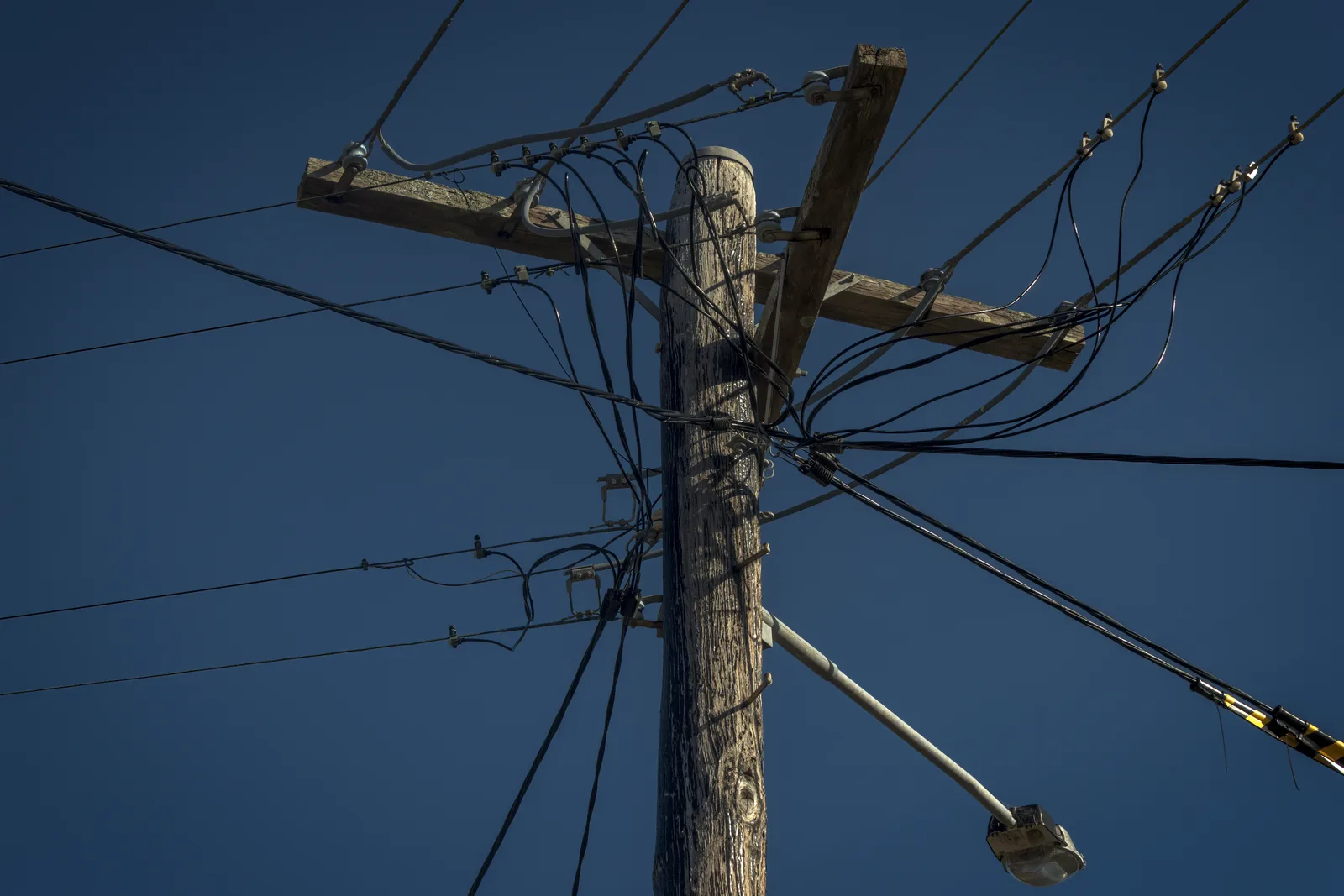
A sagging, low, or frayed overhead service line is the cable carrying power from the street or pole to your house, stretched, damaged, or pulled loose. Under AS/NZS 3000 this is wiring only a Level 2 ASP is licensed to touch, and a low line can still be live.
Common Causes of a Sagging Service Line
Storm winds off Tuggerah Lake
East coast lows and strong winds through the Tuggerah Lakes catchment can pull, snag, or snap overhead mains against mature trees along streets like Bottlebrush Drive.
Stretched mains from age
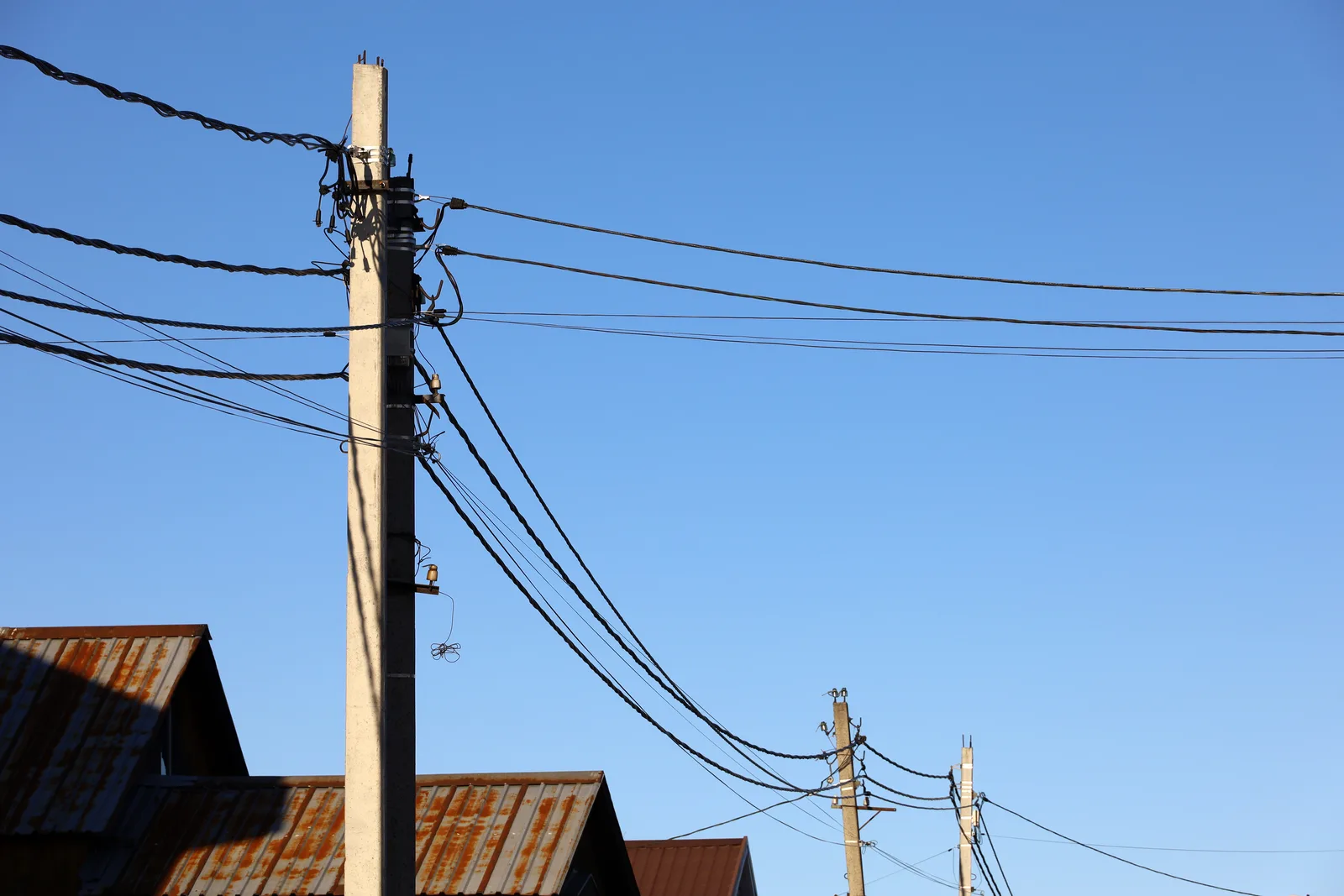
Overhead service mains lose tension over decades, and original wiring from the 1980s-2000s estate phase has often stretched or sagged lower than when it was installed.
A failed point of attachment
The bracket where the line connects to your house has come loose or corroded, letting the whole span drop lower than it should sit.
Overhanging trees rubbing the line
Established plantings on streets like Bottlebrush Drive can grow into the line's path, and constant rubbing over seasons gradually wears and weakens the cable.
Vehicle or equipment strikes
Trucks, cranes, or tall equipment occasionally catch an overhead line during nearby works, stretching or partly detaching it from the house.
Is a Sagging Service Line Dangerous?
Yes, this is one of the more serious symptoms on this list. A low or damaged overhead line can still be carrying full voltage even though it looks slack or disconnected.
- Treat any low, sagging, or hanging line as live until a Level 2 ASP confirms otherwise
- Keep children, pets, and vehicles well clear of the line and anything it is touching
- A line touching a fence, roof, or the ground is a genuine shock and fire risk
What To Do Right Now
Before we arrive, these simple steps keep everyone safe:
- Keep well back from the line, and keep children and pets away from the area.
- Do not touch, move, or attempt to lift or reattach the line yourself.
- If it is touching a fence, car, or structure, avoid that object too.
- Warn neighbours or passers-by to stay clear if the line overhangs a footpath or driveway.
- Call a Level 2 ASP (Lic #451348C) to inspect and make the line safe.
When To Call a Level 2 ASP for a Sagging Line in Glenning Valley
- The service line looks lower than usual or is visibly slack
- The line is frayed, damaged, or touching a fence, tree, or roofline
- The sag appeared after a storm, high winds, or falling debris
- The bracket at the house looks loose, pulled, or damaged
- Anyone in the household has already noticed sparking or arcing
Any of these at your Glenning Valley property is a same-day Level 2 ASP job, not a wait-and-see. We respond 24/7 for emergencies, with $0 call-out and free quotes. See our service mains and private pole pages.
How it works
How We Fix a Sagging Service Line in Glenning Valley
Fault Finding
We assess the span, the point of attachment, and the pole connection to confirm exactly why the line has sagged or come loose.
Upfront Quote
You get a fixed, transparent quote for the repair or re-tensioning before any work on the service mains begins.
The Repair or Re-Tensioning
As Level 2 ASPs we repair, replace, or re-tension the service mains and point of attachment, work most electricians have to sub out.
Testing & Safety Check
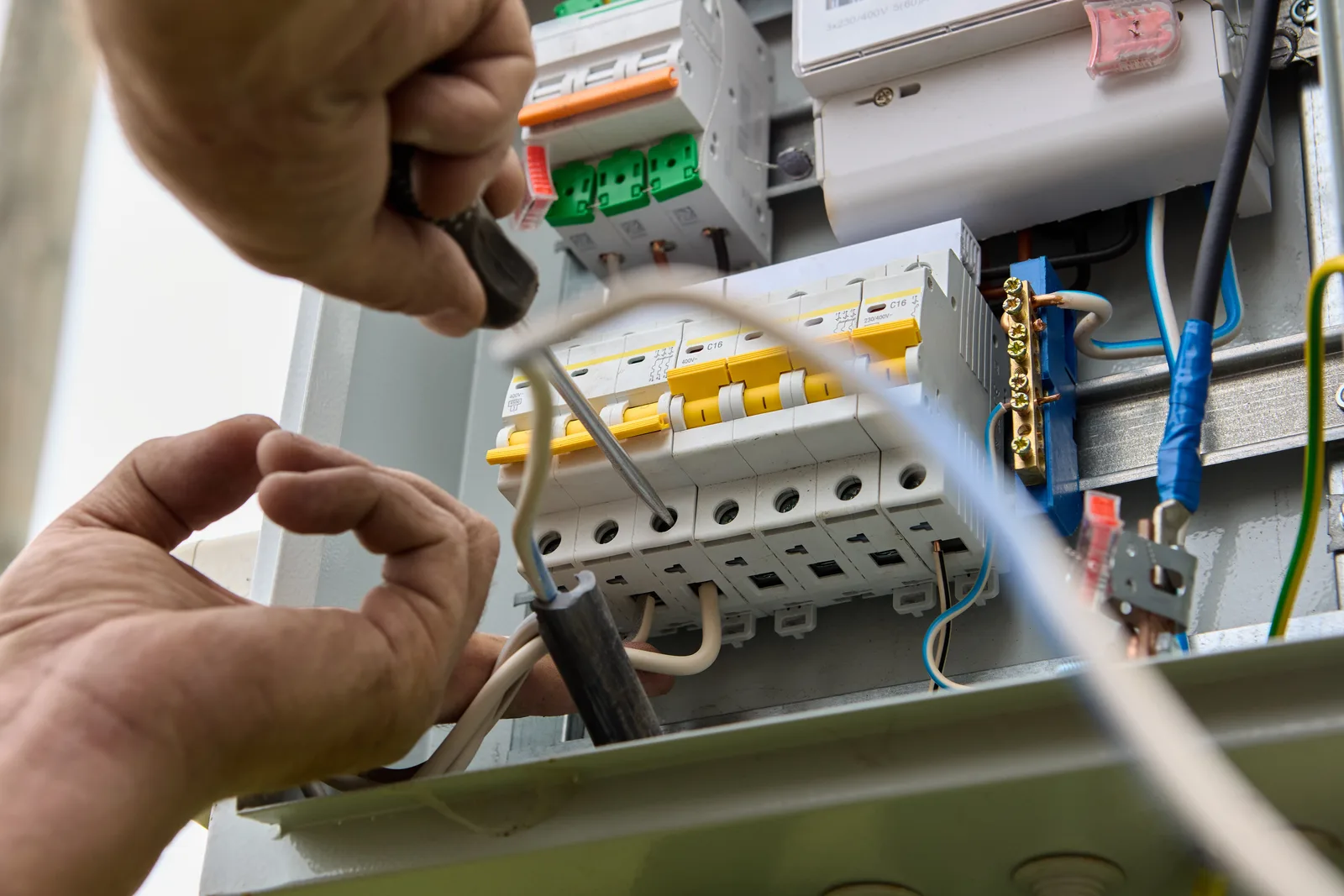
Every repair is tested against AS/NZS 3000 to confirm the line and connection are safe and properly secured before we leave.
Why This Is Common in Glenning Valley Homes
The suburb's undulating, tree-lined streets sit within the Tuggerah Lakes Southern Catchments, and storm-driven winds regularly stress overhead mains on established blocks, similar to what we see in nearby Bateau Bay.
Sagging Service Lines and Related Electrical Faults Across Glenning Valley
A sagging line often appears alongside storm-damaged mains or a failing private pole, and can lead to no power to the whole property. We fix all of these across Glenning Valley, Bateau Bay, Chittaway Bay, and the wider Central Coast.
Sagging or Damaged Service Line in Glenning Valley? Call Now
Call (02) 4039 8302 for same-day, 24/7 emergency service, $0 call-out and free quotes, backed by 300+ five-star reviews and Lic #451348C. We'll make it safe, and if it sparks, shorts, flickers or fails, we can fix it. Visit our home page or contact us any time.
Common questions
Sagging Service Line FAQs
Real questions homeowners ask when their overhead service line looks low or damaged, answered honestly so you know what to do next.
Is a sagging service line dangerous?
Yes. A low or damaged overhead line can still be live, so treat it as a serious hazard and keep well clear until a Level 2 ASP has checked it.
What causes a service line to sag or come loose?
Stretched or ageing overhead mains, storm winds, a fallen branch, or a failed point of attachment bracket are the most common causes.
What should I do if I notice a sagging service line?
Stay well away from the line and anything touching it, keep children and pets clear, and call a Level 2 ASP rather than attempting to move or inspect it yourself.
Do I need a Level 2 ASP for a sagging service line?
Yes. Service mains and the point of attachment are wiring between the street and your meter, work only a Level 2 ASP is licensed to touch.
How much does it cost to fix a sagging service line?
It depends on the extent of the damage, but we provide a free quote and fixed upfront pricing before any work, plus a $0 call-out fee.
Are sagging service lines a common issue in Glenning Valley?
Yes, particularly on established streets with mature trees, where storm winds and ageing overhead mains combine to stretch or dislodge the line.